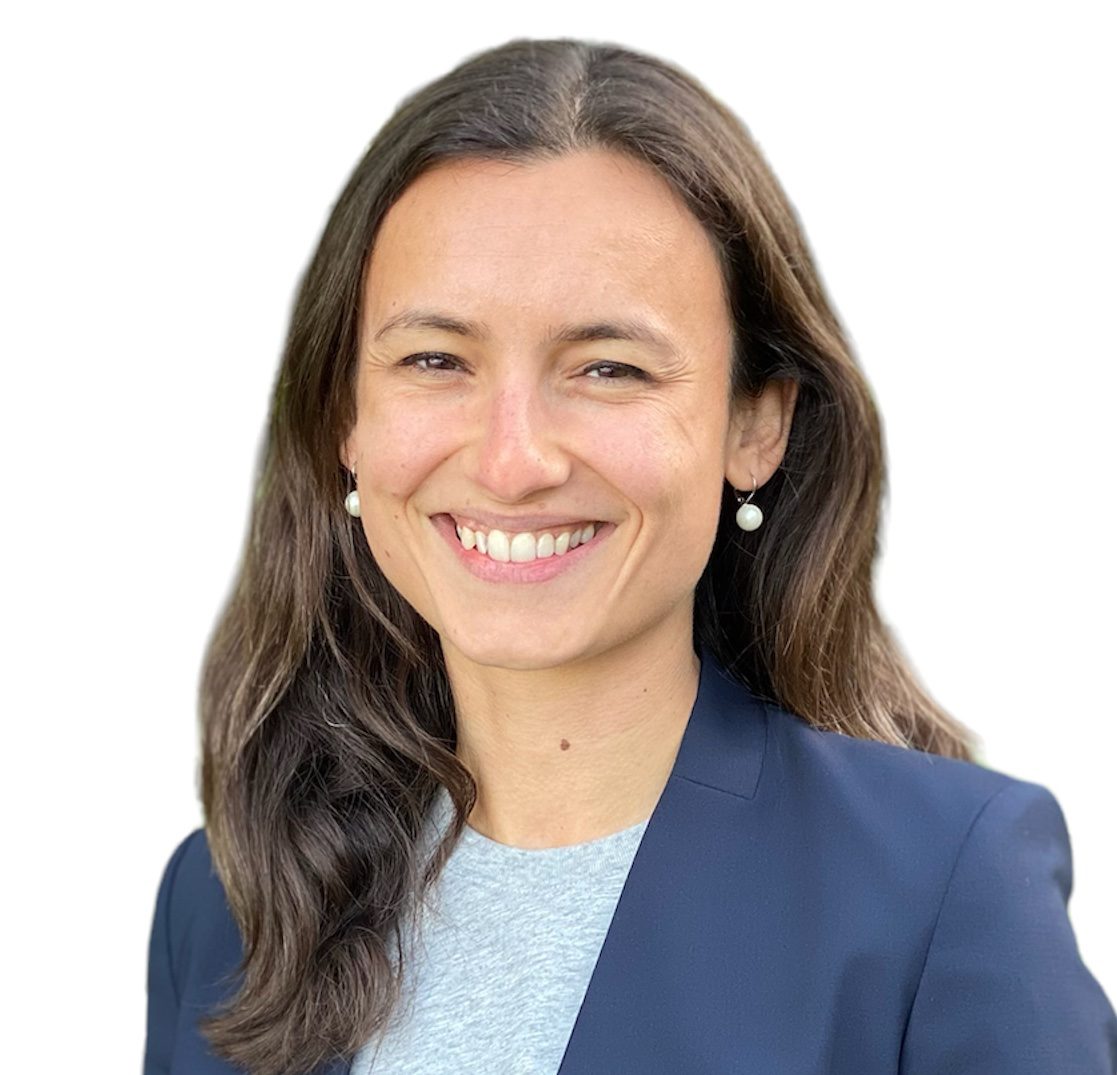
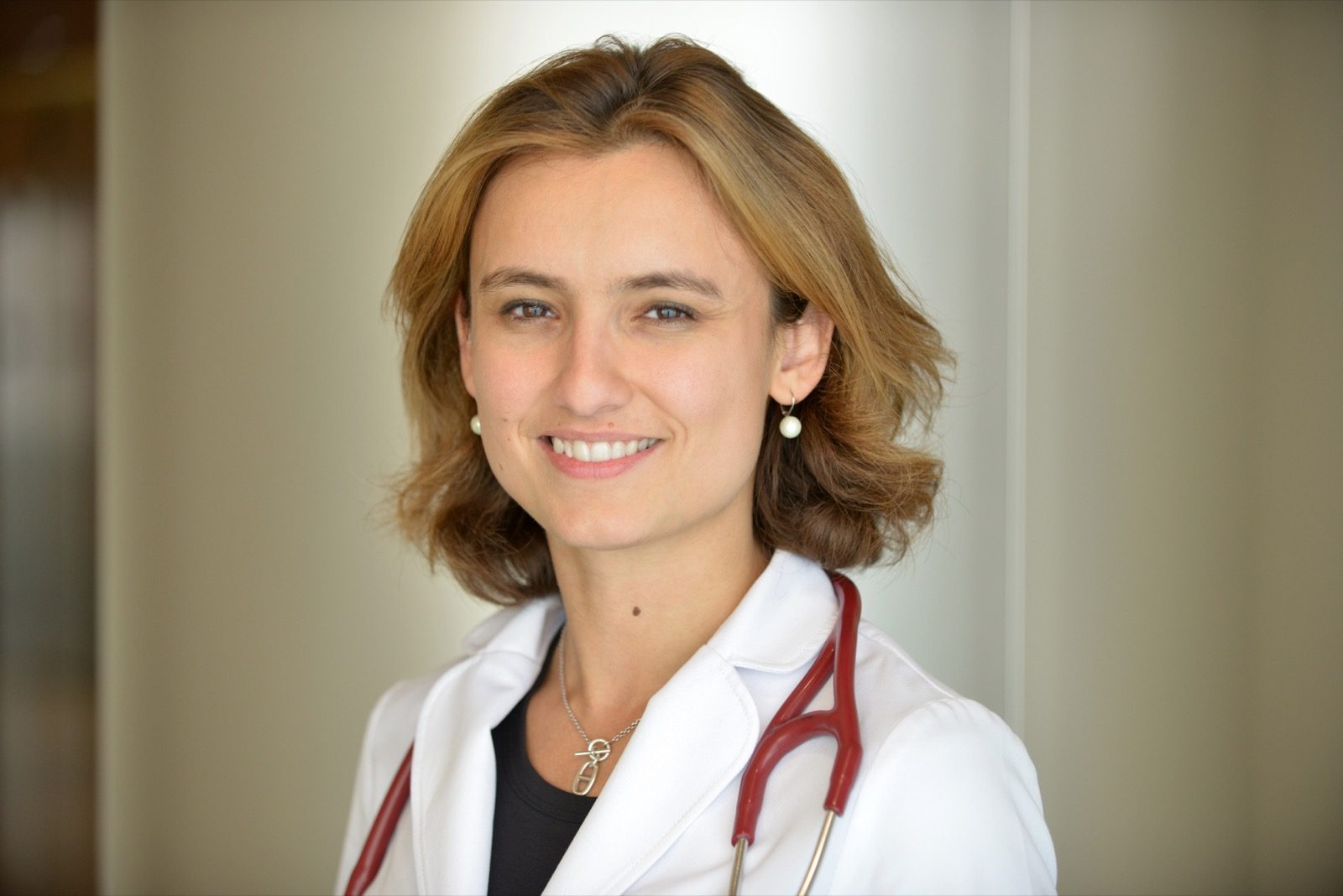
Dr. Jenelle Jindal
Jenelle Jindal, MD, is a board-certified neurologist and vascular neurologist whose work spans stroke care, hospital leadership, public health, language, and clinical AI research. Presence Medicine brings that background to supplemental aphasia care in the home.
Dr. Jindal trained at Stanford, Yale, and Harvard hospitals, then built a career in high-acuity stroke and neurology care across Silicon Valley hospitals. She has served as a hospital stroke program medical director, a county-level public health leader, and a research collaborator in stroke, clinical medicine, and large language models in healthcare.
Language has long been part of her academic and creative life. Presence Medicine brings that attention into the patient's own environment.
Formation
Dr. Jindal studied Biological Sciences at Stanford University and completed a minor in Linguistics — an early sign that the scientific and human dimensions of language would remain joined in her work. She went on to earn her medical degree from Yale University School of Medicine, where she served as Editor-in-Chief of the Yale Journal of Biology and Medicine.
She then completed both her neurology residency and vascular neurology fellowship through Massachusetts General Hospital and Brigham and Women's Hospital at Harvard Medical School. That training grounded her in the disciplines most relevant to stroke, aphasia, and the neurologic realities of recovery.
Clinical leadership
Over the following years, Dr. Jindal cared for thousands of patients across multiple hospitals in Silicon Valley. Her practice included stroke, intracranial hemorrhage, epilepsy, and neurodegenerative disease in emergency, inpatient, and intensive-care settings.
As Medical Director of the Peter C. Fung MD Stroke Program at El Camino Health, she oversaw two Joint Commission-accredited stroke centers and helped build programs in telemedicine and thrombectomy care. She also served in county-level quality-improvement and bioethics leadership roles — experience that sharpened her sense of how good clinical ideas succeed or fail once they meet real systems.
Presence Medicine was created by a neurologist who knows the strengths of modern stroke care and has also seen where standard visits can be too brief for people living with aphasia.
Public health and systems work
During the COVID-19 pandemic, Dr. Jindal served in senior operational roles for Santa Clara County Public Health, contributing to health-system preparedness, testing, vaccine outreach, and public-facing health communication. That period deepened her experience not only in medicine, but in trust, messaging, and the design of care systems under pressure.
That work reinforced her attention to communication, trust, and whether people can participate in decisions about their own care.
Research and scholarship
Dr. Jindal's research collaborations include stroke neurology and artificial intelligence in medicine, including work on the evaluation and safe deployment of large language models in healthcare.
Her publications include work appearing in journals such as Nature Medicine, NEJM AI, JAMIA, and Stroke.
Language as a lifelong subject
Dr. Jindal's interest in aphasia is connected to a lifelong interest in language.
As a child, she placed third in the Scripps-Howard National Spelling Bee, then fourth the following year. At Stanford, she studied linguistics alongside biology. At Yale, she led a scientific journal. In her creative work, she has written poetry concerned with the distance between clinical language and lived experience.
Language has long been one of the subjects of her attention.
In aphasia care, words are part of identity, relationship, dignity, and decision-making.
Personal connection to stroke
Stroke is also part of Dr. Jindal's family history. Her mother and grandfather both died from hemorrhagic strokes. That experience sharpened, rather than sentimentalized, her understanding of what stroke asks of patients and families: speed in the acute phase, certainly, but also patience, steadiness, interpretation, and long aftercare.
Presence Medicine grows partly from that recognition. Modern systems are often excellent at acute rescue and technically precise care. Even strong outpatient teams may have limited time to enter the home context, understand what has changed, adapt communication, and help a family make sense of the slower work that follows.
Why Presence Medicine
After years in stroke care, hospital systems, and public health, Dr. Jindal saw a persistent gap. Medicine is strong at diagnosis, procedures, acute stabilization, and guideline-based management. It is much less consistent at offering multi-hour physician attention in the setting where recovery, family communication, existing therapy, and daily support are actually happening.
Presence Medicine was created to address that gap through a different structure of physician time: supplemental, in-home, discreet, and designed to work beside the patient's existing clinicians and therapists.
The practice works alongside conventional medicine. It adds physician time for communication, coordination, and interpretation in the patient's own environment.
How she works
Dr. Jindal's role is not to replace the patient's medical team. It is to remain the physician while practicing in a form that gives language, recovery, and care-team coordination more time.
Presence Medicine is designed for families adding support without disturbing the clinicians already caring for the patient.
Selected credentials
- Board Certified in Neurology
- Board Certified in Vascular Neurology
- M.D., Yale University School of Medicine
- Neurology Residency, Massachusetts General Hospital / Brigham and Women's Hospital, Harvard Medical School
- Vascular Neurology Fellowship, Massachusetts General Hospital / Brigham and Women's Hospital, Harvard Medical School
- B.S. with Honors in Biological Sciences, Linguistics Minor, Stanford University
- Former Medical Director, Peter C. Fung MD Stroke Program, El Camino Health
- Former Director of Special Operations, Santa Clara County Public Health
- Peer-reviewed publications across neurology, stroke, and AI in medicine