





Multi-hour home visits
Extended visits let medical attention unfold where the patient lives, communicates, rests, and is supported by the people around them.
Presence Medicine is a supplemental aphasia practice for patients and families who may already have excellent speech-language pathology, neurology, primary care, and household support in place.
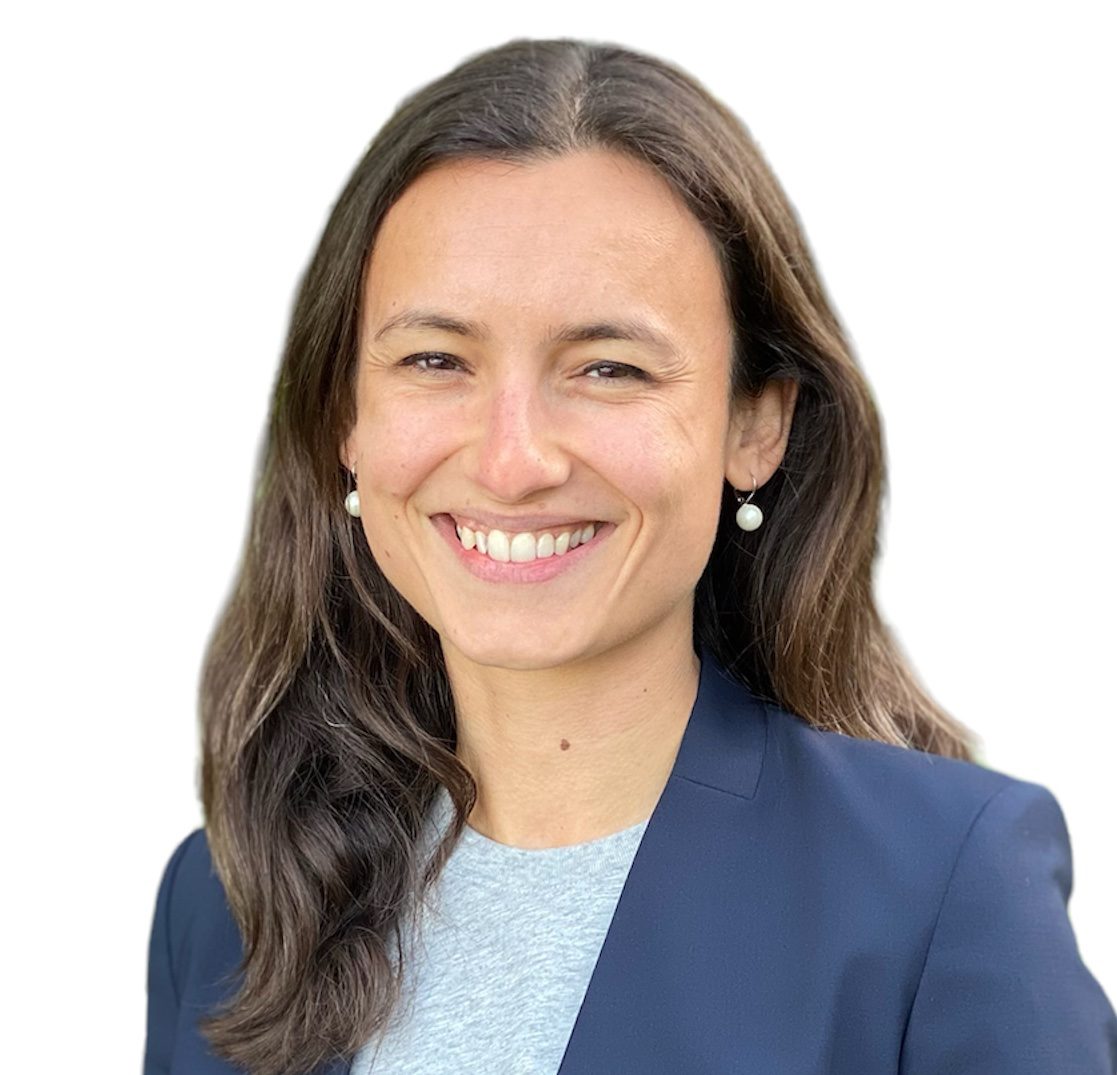
Led by Jenelle Jindal, MD, the practice brings extended physician-level attention into the home, or another private setting, for people who need more time, interpretation, and coordination around one life.
This is not a replacement for the care already underway. It is an additional layer built around a scarce clinical resource: sustained, accountable physician attention.
For many patients with aphasia, the problem is not that no one is trying to help. The problem is that even strong care can be fragmented, rushed, or difficult to integrate inside the home, where recovery, family communication, and daily life are actually unfolding.
Aphasia changes the pace of language. Care often needs to change pace with it.
Presence Medicine was created for patients and families who need more time in the room, more communication access, and more physician-level interpretation layered onto the care they already have.
What distinguishes the practice
Extended visits let medical attention unfold where the patient lives, communicates, rests, and is supported by the people around them.
Spoken, written, gestural, visual, and paced communication are all treated as legitimate parts of the clinical encounter.
Board-certified training in neurology and vascular neurology is brought to one patient at a time, with enough time to notice what brief visits often cannot.
Presence Medicine is designed to complement, never replace, neurology, primary care, speech-language pathology, rehabilitation, and other established relationships.
Dr. Jindal can work inside complex household and healthcare support environments where multiple clinicians, family members, aides, or professional teams are involved.
Care is structured with privacy in mind โ for patients, families, and professional teams who require it as a precondition of good care.
About the founder
Dr. Jindal is a board-certified neurologist and vascular neurologist with training at Stanford, Yale, and Harvard hospitals. She has led hospital stroke programs, served in public health leadership, and collaborated on research in stroke, clinical medicine, and artificial intelligence.
Her work in aphasia is shaped by neurological expertise, a lifelong interest in language, and personal experience with stroke in her own family.
Presence Medicine is not intended to replace a patient's neurologist, primary care physician, or speech-language pathologist. It is a supplemental practice built around sustained physician attention in the patient's own environment.
With consent, Dr. Jindal coordinates with the existing physicians, therapists, care managers, family offices, household staff, and support professionals already in place. The goal is to preserve their roles while adding more time to the work they are already doing.
For some patients, the missing element is not another test or a more elaborate protocol. It is a clinical relationship with enough time to make the person, the priorities, and the recovery environment visible again.
Inquiries are reviewed personally by Dr. Jindal. A first conversation is private, exploratory, and unhurried.